In today’s fast-paced world, maintaining optimal health can feel like a constant balancing act. Between busy schedules, dietary restrictions, and the sheer volume of nutritional information available, it’s easy for essential nutrients to fall by the wayside. Iron, a crucial mineral for energy production and oxygen transport, is one such nutrient that many people struggle to get enough of through diet alone. This is where targeted supplements like Iron 65 mg by 21st Century come into play. 21st Century is a well-established brand in the affordable health supplement space, known for offering quality vitamins and minerals without the premium price tag. They focus on providing straightforward, effective formulas that address common nutritional gaps. This review will take a deep dive into their Iron 65 mg supplement, analyzing its formulation, effectiveness, and suitability for different individuals to help you decide if it’s the right choice for your wellness routine.
Understanding Iron Deficiency and Supplementation Needs
Iron is not just another mineral on the nutrition label; it’s a fundamental component of hemoglobin, the protein in red blood cells responsible for carrying oxygen from your lungs to the rest of your body. When iron levels are low, this process is impaired, leading to fatigue, weakness, and a condition known as iron-deficiency anemia. According to the World Health Organization, iron deficiency is one of the most common nutritional disorders globally, affecting an estimated 30% of the world’s population. Certain groups are at higher risk, including menstruating women, pregnant individuals, vegetarians, vegans, and those with certain gastrointestinal conditions that affect absorption. While increasing dietary iron from sources like red meat, spinach, and lentils is the first line of defense, supplementation is often necessary to correct a diagnosed deficiency or meet increased demands. The form of iron used in a supplement is critical, as it directly impacts absorption and the likelihood of gastrointestinal side effects, which are a common complaint with many iron products.
A Deep Dive into the Formula: Ferrous Sulfate Analyzed
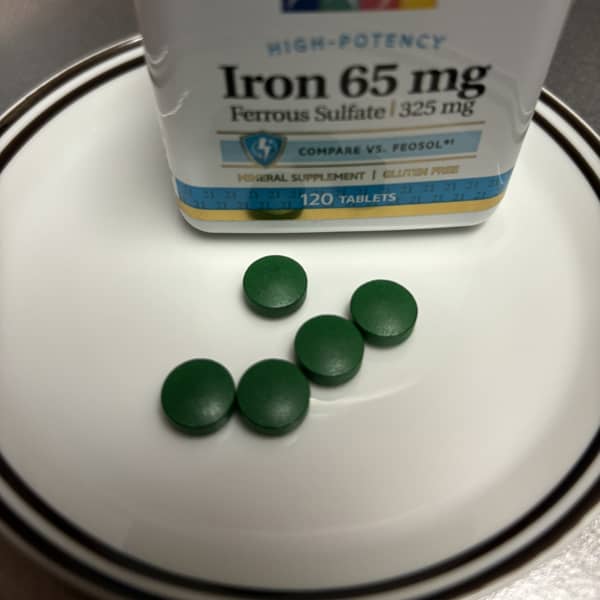
Iron 65 mg by 21st Century utilizes ferrous sulfate as its source of elemental iron. This is one of the most common and well-researched forms of iron used in supplements. Each tablet provides 65 mg of ferrous sulfate, which equates to 65 mg of elemental iron. This is a significant dose, often used for the treatment of iron-deficiency anemia rather than general maintenance. The advantage of ferrous sulfate is its high bioavailability and cost-effectiveness. A meta-analysis published in the American Journal of Clinical Nutrition has shown that ferrous salts, including sulfate, are effectively absorbed and can efficiently raise hemoglobin levels. However, the potency is also its primary drawback. High-dose iron, especially in the sulfate form, is notorious for causing gastrointestinal discomfort, including constipation, nausea, and stomach cramps. The formula here is straightforward, containing only ferrous sulfate and standard tablet excipients like microcrystalline cellulose and stearic acid. It does not include vitamin C, which is often paired with iron to enhance absorption, nor does it contain a slow-release mechanism that could mitigate side effects. For some users, this simplicity is a benefit, but for others with sensitive stomachs, it may pose a challenge.
Practical Use, Comparisons, and Real-World Feedback
The recommended dosage for Iron 65 mg by 21st Century is one tablet daily, preferably with a meal to potentially reduce stomach upset. It’s crucial to note that this is a therapeutic dose and should ideally be taken under the guidance of a healthcare professional, especially for long-term use, as excessive iron can be harmful. The target audience is clearly individuals with a confirmed need for high-dose iron supplementation, such as those diagnosed with anemia by a doctor. It is less suited for someone seeking a gentle, maintenance-level iron supplement. To put it in context, let’s compare it with two other popular options on iHerb.
| Product | Brand | Iron Form | Elemental Iron per Dose | Key Features | Price Point |
|---|---|---|---|---|---|
| Iron 65 mg | 21st Century | Ferrous Sulfate | 65 mg | High potency, budget-friendly | Low |
| Gentle Iron | Solgar | Ferrous Bisglycinate | 25 mg | Gentle on stomach, chelated form | High |
| Iron with Vitamin C | Nature’s Bounty | Ferrous Fumarate | 65 mg | Includes Vitamin C for absorption | Medium |
Real user reviews on iHerb provide valuable insights. One user stated, “This product helped correct my anemia when prescribed by my doctor. It’s effective but you MUST take it with food.” Another noted, “It’s the most affordable option I found. It does cause some constipation, so I have to manage that with diet.” A third review highlighted, “Simple and does the job. I switched to this from a more expensive brand and my lab results are just as good.” These experiences underscore the product’s effectiveness for its intended purpose and its value, while also acknowledging the common side effect profile associated with ferrous sulfate.
Conclusion and Final Verdict
Iron 65 mg by 21st Century is a no-frills, high-potency iron supplement designed for a specific purpose: effectively addressing iron deficiency. Its strength lies in its simplicity and exceptional value for money, providing a proven form of iron (ferrous sulfate) in a therapeutic dose. For individuals with a confirmed deficiency who need to significantly boost their iron levels under medical supervision, this product can be a highly effective and economical choice. However, its major limitation is the high likelihood of gastrointestinal side effects, which are inherent to the form and dose of iron used. It is not the best option for those with sensitive stomachs or for individuals seeking a gentle, maintenance-level supplement. If you fall into the former category and are working with a healthcare provider, Iron 65 mg by 21st Century represents a solid, cost-effective tool in your nutritional arsenal. For others, exploring gentler forms like ferrous bisglycinate or formulas with added vitamin C might lead to a more comfortable supplementation experience.
References
- World Health Organization. Iron deficiency anaemia. https://www.who.int/health-topics/anaemia
- Examine.com. Iron Supplementation. https://examine.com/supplements/iron/
- Healthline. Ferrous Sulfate: Uses, Benefits, and Side Effects. https://www.healthline.com/health/ferrous-sulfate-oral-tablet
- Pavord, S., et al. (2012). UK guidelines on the management of iron deficiency in pregnancy. British Journal of Haematology.